


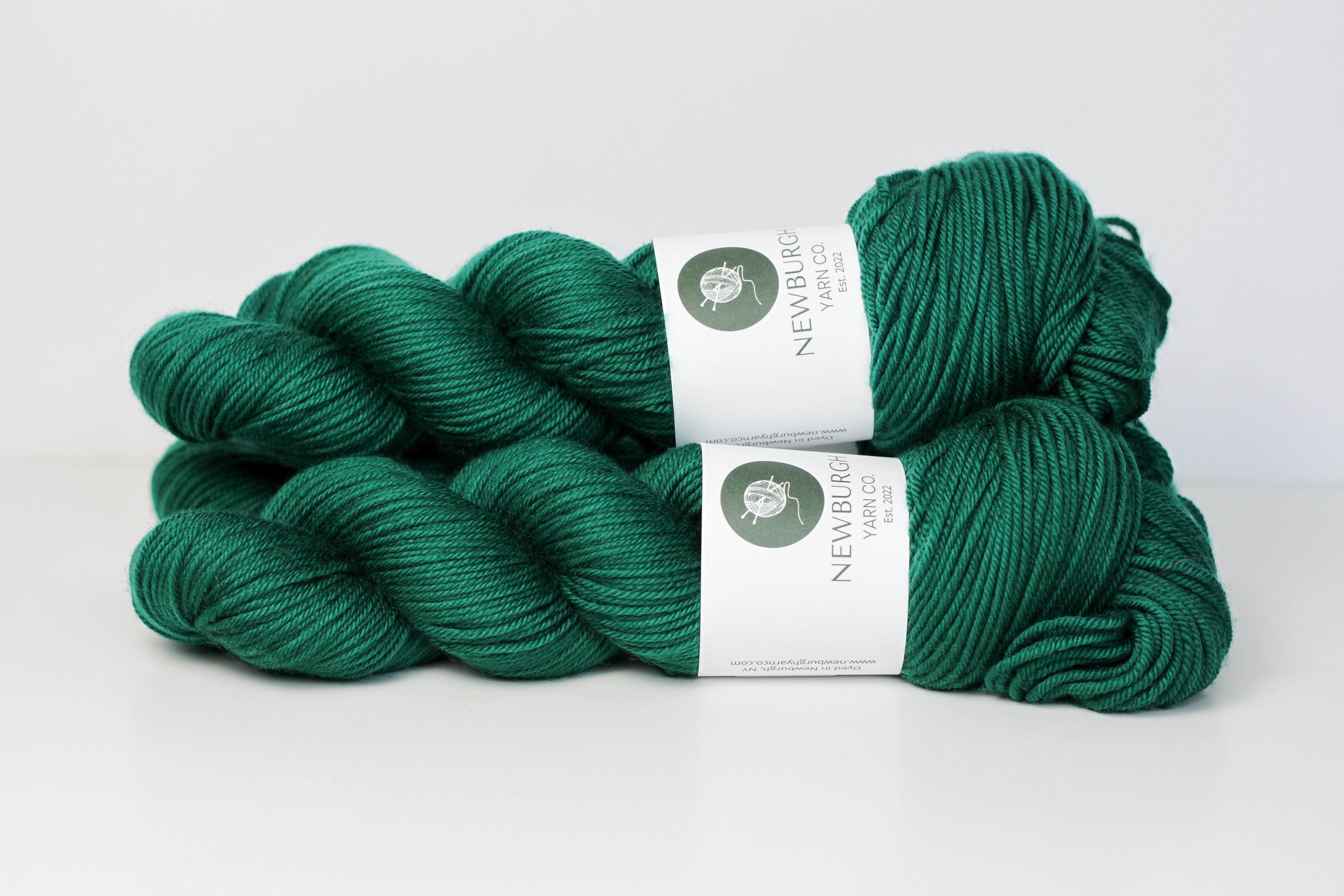


If there were one color that defined the Victorian era, it would be green. Emeralds were said to be Queen Victoria’s favorite gemstone and appeared frequently in her portraits, helping to elevate green as a symbol of luxury and modern taste. At the same time, new developments in dye and pigment creation pushed color into brighter and more vivid territory, launching green firmly into the spotlight.
These fashionable greens were known by names such as Emerald Green, Paris Green, Schweinfurt Green, and the original Scheele’s Green. Their intense opacity and brilliance made them wildly popular with artists and designers alike. Unfortunately, they were also highly poisonous due to their arsenic content. Emerald Green found its way into wallpaper, clothing, artificial flowers, home furnishings, and even food coloring, with dangerous consequences. Damp rooms became literal death traps, and in the eighteen sixties The Times of London warned that children could be poisoned by toxic fumes released from their bedroom walls.
As awareness grew, a safer alternative emerged. Viridian, also known as Guignet’s green, offered a cooler blue green tone without the deadly effects. It quickly gained favor among artists of the Impressionist and Post Impressionist movements, especially for painting seas and landscapes.
Inspired by this dangerously beautiful chapter of color history, meet THE EMERALD KILLER.